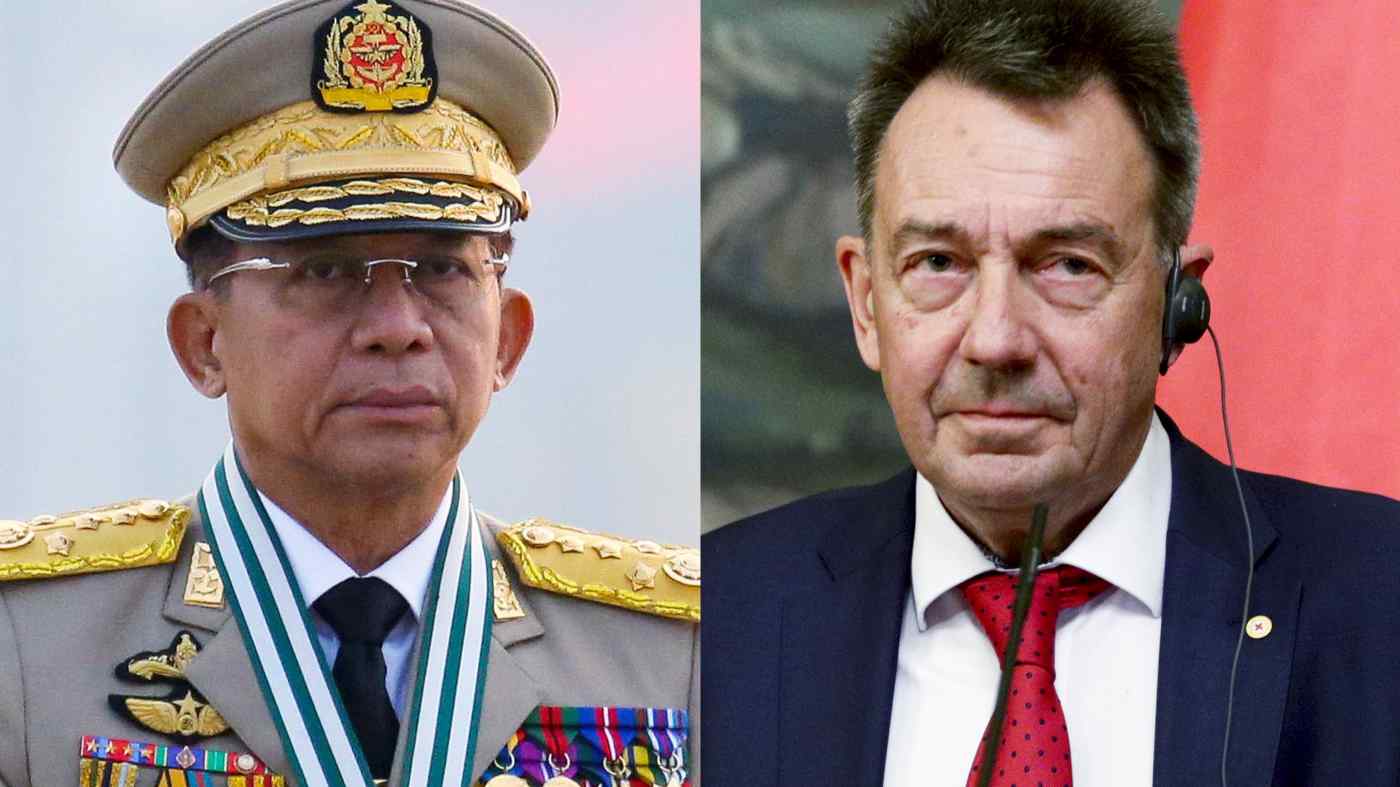
The president of the International Committee of the Red Cross Peter Maurer has met Min Aung Hlaing, chief of Myanmar’s junta, in the first visit by a senior western official to the capital, Naypyitaw, since the Feb. 1 coup.
In talks on Thursday with the junta chief, Maurer made two key requests — to resume prison visits by ICRC teams and to gain more humanitarian access to conflict areas in Myanmar.
While the junta chief was noncommittal, the talks were seen as making progress because ICRC’s requests were “not refused,” said people familiar with the meeting. Maurer’s meeting with the junta chief, who has rejected requests by the United Nations special envoy on Myanmar and others to visit the country, also signaled progress in ICRC’s push to recommence prison visits, suspended last year due to COVID-19, and to gain more access for medical and protection personnel to conflict areas, said a Yangon-based diplomat.
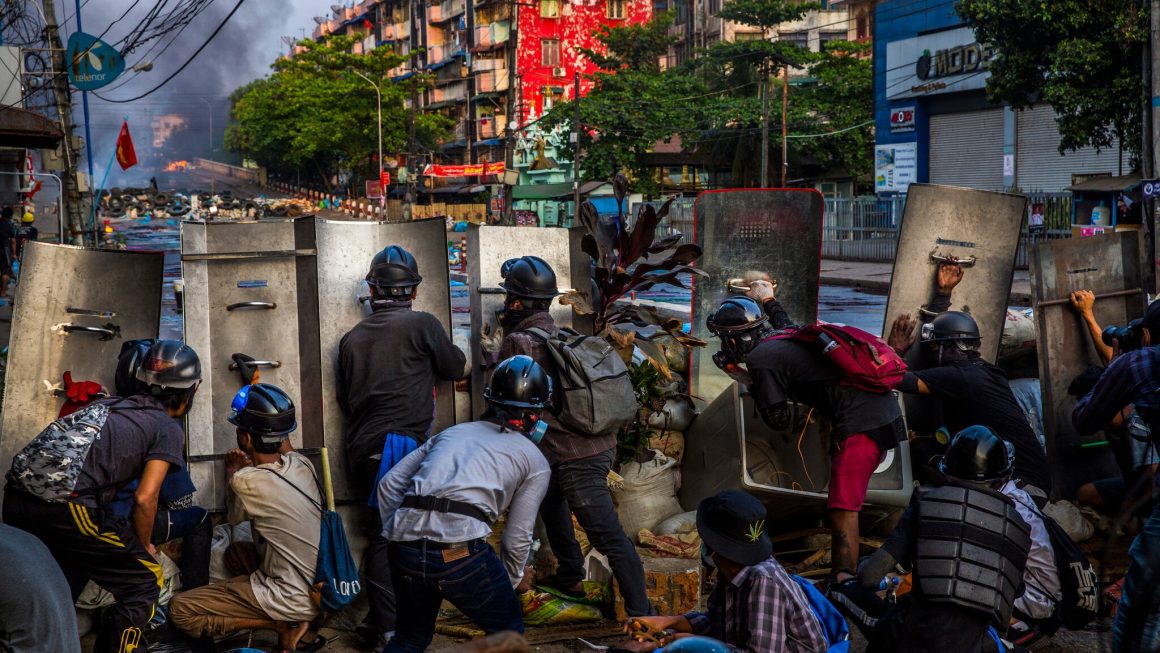
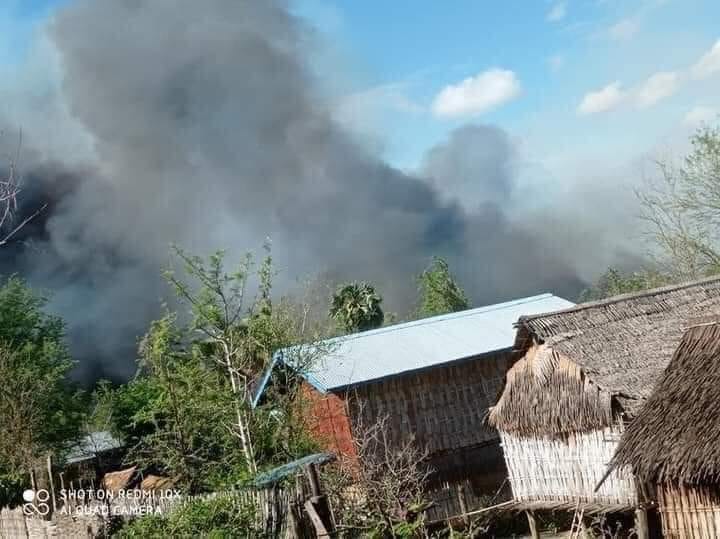
Maurer also urged an end to violence against civilians and “respect for international law” and medical workers during security operations by the junta’s security forces. More than 840 people have been killed and 5,600 arrested since Feb. 1, according to monitoring group AAPP.

In the talks, the ICRC president requested access to all prisoners rather than specifying high-profile detainees such as Aung San Suu Kyi, the state counsellor who remains in detention amid her trial on multiple charges of violating state laws.
The ICRC meeting came ahead of a planned visit on Friday by the chairman and secretary-general of the Association of Southeast Asian Nations to Naypyitaw for talks with Min Aung Hlaing and other junta leaders. Reuters, which first reported plans for the ASEAN meeting, said the pair will also meet with “other stakeholders,” although it remains unclear if this will involve members of the opposition National Unity Government or other opponents of the junta.
The ASEAN visit will be followed by the annual China-ASEAN meeting next week in China between ASEAN foreign ministers and their Chinese counterpart. Myanmar is likely to figure prominently on the meeting’s agenda, amid growing Chinese concern about the spiraling violence in the country and threats to Chinese business interests and infrastructure projects. Complicating the meeting, Myanmar, under a rotational arrangement, is in charge of ASEAN-China relations this year.
Both ASEAN’s secretary general and chairman are from Brunei, which currently holds the group’s rotating chair. The ASEAN visit is mired in controversy, coming nearly six weeks after ASEAN leaders hosted Min Aung Hlaing at a special summit in Jakarta and announced a “five-point consensus” to end violence; promote dialogue, deliver humanitarian aid, appoint a special envoy; and send a delegation headed by the envoy to Myanmar to meet “with all parties concerned.”
Southeast Asian officials confirmed the planned visit by the ASEAN chair and secretariat, although the secretariat would not give details of the trip amid delays over appointment of a special envoy. ASEAN’s deliberations have been bogged down in debate over whether the envoy should be an individual or a group, and also about the envoy’s mandate and length of term.
Highlighting tensions within the group — particularly between Thailand and Indonesia — over approaches to Myanmar, Indonesia’s Foreign Minister Retno Marsudi on Wednesday urged ASEAN to immediately name an envoy, emphasizing the group’s undertaking to help end turmoil and violence in the wake of the military coup.
Maurer, a former senior Swiss diplomat, has been at the helm of ICRC since 2012. He became the first ICRC president to visit Myanmar in January 2013 when he met then President Thein Sein, and oversaw an expansion of the organization’s programs in the country, ranging from medical assistance and humanitarian relief to water and sanitation programs in remote areas. But in recent years, the Geneva-based organization has seen programs such as prison visits and medical assistance in conflict areas curtailed.
ICRC has been operating in Myanmar for more than three decades with a remit to provide humanitarian assistance to people affected by armed conflict and other situations of violence. It was instrumental in providing humanitarian assistance in Rakhine State and neighboring Bangladesh to Rohingya refugees amid the military’s brutal campaign against the Muslim minority in 2016-17.
Crd to original uploader
Our uprising must succeed” အရေးတော်ပုံအောင်ရမည်။